The Accessibility Strengthening Act (BFSG) 2026: Is Your Website Affected? A Guide for SMEs
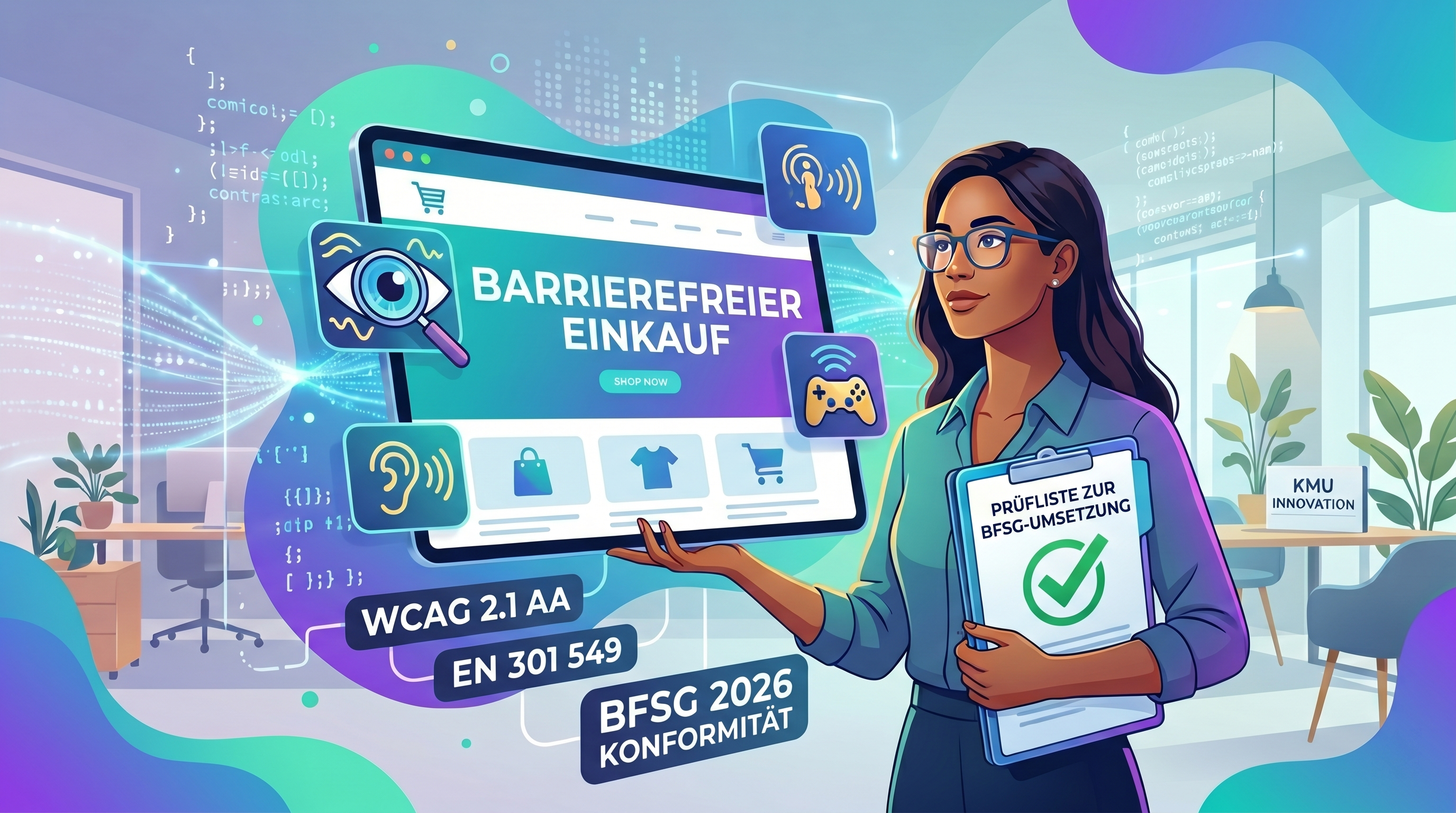
SMEs are in an uproar, and for good reason. Ever since the Accessibility Strengthening Act (BFSG) came into force on June 28, 2025, massive confusion has reigned in many German companies. What was actually intended as a milestone for digital participation has turned into a legal and technical minefield for many small and medium-sized enterprises (SMEs).
We understand the frustration. The constant flood of new digital regulations is overwhelming. However, ignoring them is no longer an option. In this article, we demystify the requirements surrounding the Accessibility Strengthening Act 2025 SMEs, clear up dangerous misconceptions, and show you how to make your WordPress website not only legally compliant but also perform better.
The deadline has passed – what now?
The BFSG is the German implementation of the European Accessibility Act (EAA). The goal: digital products and services should be usable by people with disabilities without outside help.
Since the deadline passed in the summer of 2025, the accessible website obligation now applies to many players in the digital space. Those who ignore the requirements risk not only a massive loss of reputation with an already often neglected target group, but also severe legal consequences. In the event of non-compliance, warnings from competitors or associations as well as official fines are imminent. It is time to switch from shock paralysis to strategic implementation.
Who is really affected? The pitfalls of the exception rules
The biggest confusion surrounds the question of who actually falls under the law. Basically, the BFSG focuses on electronic commerce in the B2C (Business-to-Consumer) sector. Primarily affected are:
- B2C online shops
- Booking portals (e.g., for appointments with service providers, craftsmen, or doctors)
- Electronic services and apps
The deceptive safety for micro-enterprises
Many agencies and consultants have previously spread half-baked information stating that small businesses are generally exempt. This is a fatal error hidden deep within the BFSG website exceptions.
According to the law, a micro-enterprise (fewer than 10 employees and a maximum of 2 million euros in annual turnover) is indeed exempt from the obligations – but only if it offers pure services.
However, as soon as you sell physical or digital products to end consumers (e.g., via a BFSG micro-enterprise online shop), this exemption completely ceases to apply. If the small craft business sells care products in its webshop in addition to its services, or if the therapeutic practice offers digital health guides, the law applies in full.
Technical requirements: What does "accessible" mean in practice?
In its requirements, the legislator refers to the European standard EN 301 549, which in turn is strongly based on the international guidelines of the WCAG 2.1 at level AA. When you make your WordPress website accessible according to BFSG, it is not about invisible code magic, but about very concrete, tangible user experiences:
- Color contrasts: Light gray text on a white background may look modern, but it is illegible for people with poor eyesight (and for mobile users in direct sunlight). Strong contrasts are now mandatory.
- Keyboard operability: The entire website must be seamlessly navigable using only the Tab and Enter keys – entirely without a mouse.
- Screen reader compatibility: Blind users have websites read aloud to them. This only works if images have precise alternative texts (alt tags) and the semantic structure (H1, H2, H3) is logically and cleanly anchored in the code.
This is exactly where generic ready-made templates and overloaded page builders (like WPBakery or Elementor) fail. They produce massive code bloat that confuses screen readers and sabotages accessibility. The solution according to EN 301 549 WCAG WordPress standards is usually a lean, custom-developed custom theme architecture.
The obligation for an accessibility statement
Upgrading a website technically is only half the battle. The law also strictly requires an official "Accessibility Statement".
Similar to the legal notice (Impressum) or privacy policy, this document must be easily findable from every page. In this statement, you must document the current status of your website's accessibility, objectively justify any exceptions (if certain elements cannot yet be technically upgraded), and provide a feedback mechanism for users. If this statement is missing, your website is susceptible to warnings – even if it is programmed to be 100% technically accessible.
Action instead of hoping: Your path to a legally compliant website
Digital transformation and legal requirements like the BFSG demand a lot from SMEs. But they also offer an enormous opportunity: an accessible website is measurably faster, more user-friendly, converts better, and is strongly preferred by search engines (SEO).
Do not take any liability risks and do not rely on faulty modular systems. As a specialized growth partner in the B2B SME sector, top-wp.de offers you the technological expertise you need right now.
Take the decisive step now:
Book our non-binding Accessibility Audit (Accessibility Check). We will forensically analyze your existing WordPress presence for BFSG compliance and uncover all legal and technical vulnerabilities. Following this, we will work with you to develop a strategic roadmap – from targeted adjustments to a high-performance relaunch through our custom WordPress web design.
Secure your business and make your website accessible to everyone. Contact us today!